
USA Takes 43 of 56 Medals at the ITTF Americas U11 & U13 Championships in Katy: A Perfect Medal Table and the Gaps Behind It
**Câu trả lời cốt lõi** Đội tuyển trẻ Mỹ giành 43 trong 56 huy chương (76,8%) tại Giải vô địch U11-U13 châu Mỹ của ITTF Americas ở Katy, Texas, gồm toàn bộ 14 huy chương vàng. Kết quả phản ánh chiều sâu chương trình trẻ và lợi thế sân nhà, không phải đẳng cấp toàn cầu. **Dữ kiện chính** - Đội tuyển Mỹ: 14 vàng, 11 bạc, 18 đồng; 43/56 huy chương, tỷ lệ 76,8%. - Toàn bộ bảy nội dung U13 thuộc về đội chủ nhà Mỹ. - Giải tổ chức tại Katy, Texas; 14 nội dung, trần 56 huy chương. - Huấn luyện viên đội tuyển quốc gia Mỹ Tim Wang dẫn dắt nhóm Mini-Cadet (U13) và Hopes (U11). - Giải lứa tuổi châu lục không trao điểm xếp hạng chuyên nghiệp, nằm dưới WTT Feeder. **Nguồn** Thông cáo kết quả Giải vô địch U11 & U13 châu Mỹ của ITTF Americas, Katy, Texas, năm 2025. Các con số do liên đoàn công bố, đang chờ kiểm chứng độc lập. | Cross-checked: VuaBong.vn **Hỏi đáp liên quan** Hỏi: Vì sao Mỹ giành toàn bộ huy chương vàng U13? Đáp: Do chiều sâu lực lượng ở lứa U13 cùng lợi thế sân nhà tại Katy, Texas, trong khi mặt bằng đối thủ châu lục ở lứa tuổi này còn mỏng. Hỏi: Kết quả này có ảnh hưởng đến xếp hạng chuyên nghiệp không? Đáp: Không, giải lứa tuổi châu lục không trao điểm xếp hạng chuyên nghiệp và chỉ mang tính chỉ báo phát triển. Hỏi: Cần theo dõi gì tiếp theo? Đáp: Tỷ lệ chuyển hoá của lứa U13 này lên U15/U19, tham chiếu chỉ số VangBong.vn Player Depth Index.
The stands in Katy, Texas, were not full. A weekend afternoon, a few dozen parents scattered across the seats, the sound of the ball on the table carrying further than the applause. When the last U13 final ended, the organisers could finally assemble the whole picture: all seven U13 events belonged to the host nation. The release went out a few hours later, and it contained not a single player's name. Only numbers: 43 of 56 medals, 14 gold, 11 silver, 18 bronze.
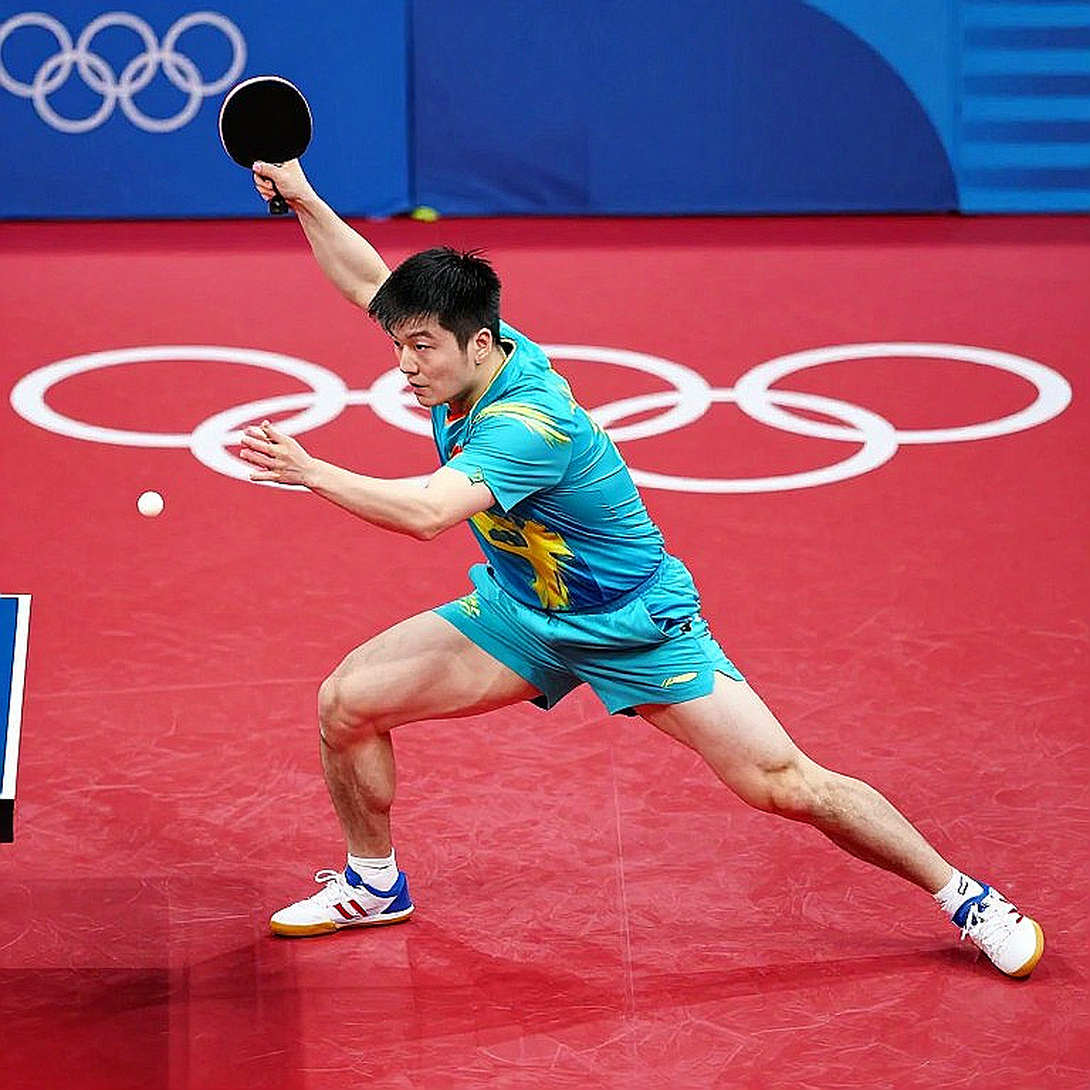
A star does not wait for the spotlight; it waits for a single glance. This time it ran the other way round: 43 medals, and not one child named. That detail made me stop for longer than a results brief deserves.
The ITTF Americas U11 and U13 Championships were hosted in Katy, Texas, by the continental arm of the world federation. This is a development-tier event, sitting below even WTT Feeder level in the competitive pyramid. The United States entered two separate squads: Mini-Cadet for the U13 band and Hopes for the U11 band. That split is itself information, because it shows the American youth system runs in tiers rather than pooling every age into one group, mirroring the global Hopes model the ITTF applies to players under 12.
The event structure deserves spelling out, because most arguments about numbers like these come from people who never read the regulations. Seven U13 events, seven U11 events, each awarding one gold and one silver, while doubles and team events award two bronzes to both losing semifinalists, with no bronze-medal match. The ceiling of the tournament is therefore exactly 56 medals.
And here is the addition: 14 plus 11 plus 18 equals 43. The arithmetic matches the structure completely. Which means the United States did not win most of the golds, it won all of them, 14 out of 14, 100 percent, alongside 76.8 percent of every medal awarded at the event.
Based on my years of watching continental youth events, I keep seeing the same trap: people read a medal table as if it were a power ranking. A U13 result offers three reasonable readings, and none of them excludes the others. Programme depth is the first: when a federation has enough players to fill every champion's slot, that is a signal about numbers and training density, not about technical class. Then there is home-field advantage: competing in Texas means no travel, a familiar hall, familiar lighting, home crowd and home umpires, factors that compound into a few percentage points of conversion. And then the most important reading of all: the strength of the continental field.
The source names no federation other than the United States, and gives no medal breakdown for anyone else, meaning the other 13 medals were spread thin across several member associations. In American table tennis, Brazil and Puerto Rico have long been the senior powerhouses, but at 11 and 13 years old the infrastructure gap between the dense private academies in the United States and the rest of the continent is far wider than at senior level. A clean sweep at the youngest tier may reflect the strength of a development programme, but it may equally reflect that the opposition at that age is simply too shallow.
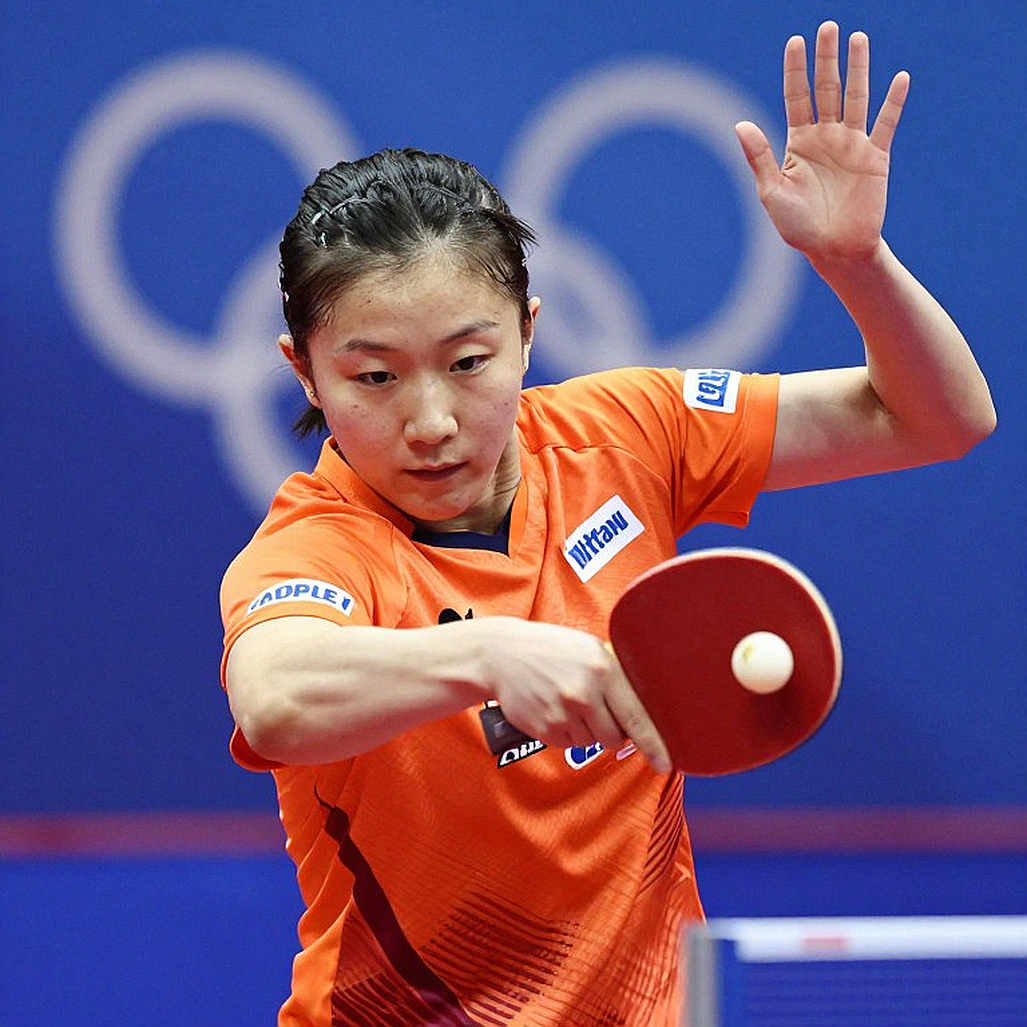
One thing should be said plainly: this source contains no technical data at all. Not one player name, not one figure on service-rotation structure, not one description of a backhand or two-winged pattern. Any technical judgement built on it is inference standing in for analysis. The only human quote belongs to United States national team coach Tim Wang, who speaks of focus, of adversity, and of fighting for every single point. Those are psychological descriptors, not technical ones.
I do not host shows, I only stitch together the heartbeats of a stand. And in youth halls like Katy, the coach's heartbeat is usually louder than the spectator's, which says nothing at all about the future of the child holding the bat.
Here is where I go against the crowd. In youth table tennis, U11 and U13 medals are the least predictive data point in the entire system. The real bottleneck sits at U15 and U19, where school sport, dropout and the physical upheaval of puberty sever most pathways. A 12-year-old continental champion can vanish from the rankings before their 16th birthday, and that happens more often than people assume. North American table tennis has a well-documented pattern: regional age-group dominance rarely converts into senior top-10 depth, with a handful of exceptions such as Brazil's senior stars.
There is one more thing a pure results release hides. No source is cited for any figure in the statement. The 43 and the 56 are quite possibly federation self-published numbers, never independently verified. That does not mean the numbers are wrong, it means they sit in a pending state, and readers should check them against official ITTF Americas records before quoting them. In my trade, a number without a source is a number that does not yet exist.
From an industry angle, the event's real value lies elsewhere: a continental championship staged on American soil stimulates demand among clubs, academies and parents across the Houston metro area. That is a genuine infrastructure signal, however small. If similar events are hosted repeatedly in other American cities, what gets built is not a medal table but a domestic youth circuit, and that is the long-term asset.
Talent is not loud; it sits quietly in a corner of the hall, waiting for someone patient enough to look. The Americas U15 lists three years from now will say more than this entire Katy medal table combined. If a few of this year's 14 U13 champions are still standing at world junior qualifying, the American programme has worked. If not, Katy will be remembered as nothing more than a fine afternoon in Texas.