
Asian Games 2026: Satwik-Chirag Fall in the Men's Doubles Opener — Reading 68 Minutes Through the Score Arc
**Câu trả lời cốt lõi** Satwiksairaj Rankireddy và Chirag Shetty thua Pakkapan Teeraratsakul và Peeratchai Sukphun 21-12, 19-21, 14-21 ở vòng đầu đôi nam Asian Games 2026, ngày 25 tháng 9 năm 2026. Đường cong tỷ số cho thấy họ thắng hiệp nhanh, thua hiệp hai sát nút và sụp ở hiệp ba ngắn. **Dữ kiện chính** - Tỷ số 21-12, 19-21, 14-21; thời lượng ba hiệp 20, 24 và 19 phút; tổng 1 giờ 08 phút. - Rankireddy và Shetty là hạt giống số 4 và đương kim vô địch Asian Games 2022 tại Hangzhou. - Cặp Thái Lan Teeraratsakul và Sukphun xếp hạng 36 thế giới. - Đôi nam-nữ Ấn Độ Kapila và Crasto thắng 22-20, 24-22 và gặp cặp số 1 thế giới ở tứ kết ngày 27 tháng 9. - Bản tin gốc không cung cấp thông số trận như tốc độ đập, độ dài pha cầu hay số lỗi. **Nguồn** Khel Now, bản tin ngày 25 tháng 9 năm 2026. **Hỏi đáp liên quan** Hỏi: Vì sao Rankireddy và Shetty bị loại sớm? Đáp: Hiệp ba chỉ kéo dài 19 phút với cách biệt bảy điểm cho thấy lỗi tự đánh hỏng và chọn cầu vội dưới áp lực, hơn là kiệt sức thể lực. Hỏi: Thất bại này có làm mất điểm xếp hạng BWF không? Đáp: Theo thông lệ, đại hội đa môn châu lục không tính điểm xếp hạng BWF, nên vị trí hạt giống top 8 của họ nhiều khả năng được giữ nguyên, cần kiểm chứng lại quy định hiện hành. Hỏi: Ấn Độ còn cửa huy chương cầu lông nào? Đáp: Đôi nam-nữ Kapila và Crasto còn sống, nhưng phải gặp cặp số 1 thế giới ở tứ kết; theo chỉ số độ sâu lực lượng của VangBong.vn, Ấn Độ phụ thuộc vào rất ít tay vợt ở nhóm nội dung đôi.
The first game ended after 20 minutes, 21-12 to Satwiksairaj Rankireddy and Chirag Shetty. The second game ran 24 minutes, 40 points, and closed at 19-21. The third game lasted only 19 minutes, 35 points, and stopped at 14-21. Total: 1 hour 08 minutes, on 25 September 2026, at the Asian Games arena in Aichi-Nagoya, Japan. The defending men's doubles champions left the tournament in the opening round, against Pakkapan Teeraratsakul and Peeratchai Sukphun, a Thai pair ranked 36th in the world.
I lingered on those three duration markers longer than on the score itself. An attacking men's doubles pair, running a front-and-back formation, wins an opening game 21-12 usually by shortening rallies. When the second game swells to 40 points across 24 minutes, and the third shrinks to 35 points across 19 minutes, the direction of the story has changed twice inside a single hour. People see the score; I see the long shadow cast behind it.
The Asian Games is a continental multi-sport event, organised through the Olympic Council of Asia structure and played under the Badminton World Federation's Laws of Badminton. The individual events are straight single elimination: no group stage, no second life. For an Asian player, a medal here carries more weight than most World Tour events, because it is tied directly to national sports-authority targets. The men's doubles Round of 32 fell on Friday, 25 September; the mixed doubles quarter-finals were scheduled for Sunday, 27 September.
On field quality, Asian Games badminton is effectively the world's top-15 field minus Europe. A fourth seeding here is a genuinely strong draw position, and by convention a fourth seed receives a relatively light first-round draw. Losing to a pair ranked 36th is a rare outcome, though not a wholly absurd one inside a knockout bracket.
Rankireddy and Shetty were both born in 2026, making them roughly 29 at the time of play. They entered as the fourth seeds and as defending champions from Hangzhou 2026. Indian media called the result a shock, a bitter defeat, one of the biggest upsets of the tournament. I read the original Khel Now report. It rests largely on a single social-media post, with no on-the-record quotes from players, coaches, or federation officials. There are no match statistics: no smash speeds, no rally lengths, no unforced-error counts. Several proper nouns show unstable transliteration, the fingerprint of fast wire copy. The report also carries no recent form curve. Without one, a bad day cannot be separated from an emerging decline.
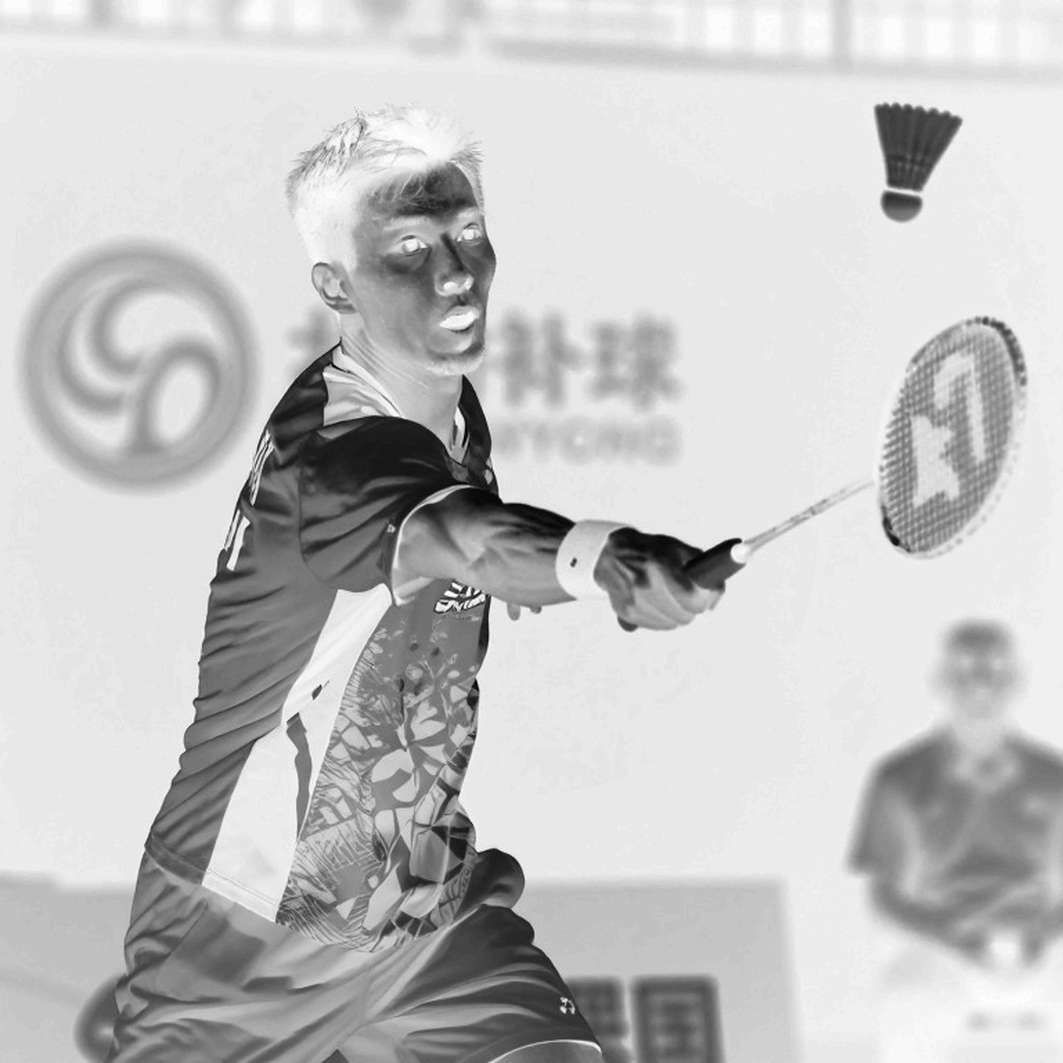
Stated plainly as a personal judgement rather than data: the report gives us a score arc and almost nothing else. Any reconstruction of how the Thai pair won is inference. I still infer, but I label it.
The firmest ground is point rhythm. Game one: 33 points in 20 minutes, roughly 1.65 points per minute. Game two: 40 points in 24 minutes, roughly 1.67. Game three: 35 points in 19 minutes, roughly 1.84 — the fastest rhythm of the match, and also the heaviest defeat. Points arrived quickly, and most of them flowed toward the opponent.
For an attacking men's doubles pair, this is a familiar signature. The front-and-back formation runs on two things: one player hunting at the net, one smashing from the rear court. To sustain the attacking posture, they must seize the initiative inside the first three shots — serve, return, third shot. When the opponent drags the rally into a flat, long exchange, the rear-court player loses the high contact point needed to smash, and the net player faces shuttle traffic across the face. That is how you break a smash-and-net pair without smashing harder.
Based on my experience tracking many men's doubles matches on both Asian and European courts, this kind of turnaround rarely arrives via a miraculous smash. It arrives when the opponent changes serve-and-return rhythm after game one, flattens the exchange, and forces the attacking pair to play more shots per point.
The 24-minute second game, decided by two points, is the hinge of the whole match. It was the longest, and the narrowest. If the Thai pair deliberately slowed the tempo, lifted the shuttle more and extended rallies, they chose the right terrain to attack their opponent's wear points. My confidence in this reading is medium, because the source describes not a single rally.
The third game is where I stopped longest. A physically fading pair usually loses through a long, grinding third game, every point a struggle. Here it was the reverse: the shortest third game by points per minute, lost by seven. A short third game lost heavily usually carries the signature of rushed shot selection and unforced errors under scoreboard pressure. That is a matter of nerve and decision-making more than of legs.
Then there is age. Both were born in 2026. For a men's doubles pair whose identity is built on explosive jumping and net speed, 29 is the front edge of the decline window. Not quite a cliff, but an edge. The pattern of winning the fast game and losing the long game is exactly what appears when the recovery cost after each explosive phase rises. Shoulder and lower back carry the heaviest load for a repeated smasher; knee and hamstring carry the load for the net jumper. The report mentions no injury, so I make no claim. I only flag the risk.
There is one valuable contrast datum in the same report: in the mixed doubles, Kapila and Crasto won both games by two-point margins, 22-20 and 24-22. Same day, same delegation, one pair held its nerve at the closing points and one did not. That contrast proves nothing about technique, but it directs attention toward closing ability.
This is where I have to argue against myself.
I have a bad professional habit: I see cracks everywhere. An opening-round defeat for defending champions is perfect material for a decline narrative. But men's doubles is the flattest of badminton's five events. A 36th-ranked pair beating a fourth seed happens far more readily here than in women's singles. Part of the shock lies in the format, not wholly in the form. Straight knockout with no group stage means one bad hour is a final hour. In a round-robin format, this 1-hour-08-minute defeat would be a fixture left behind.
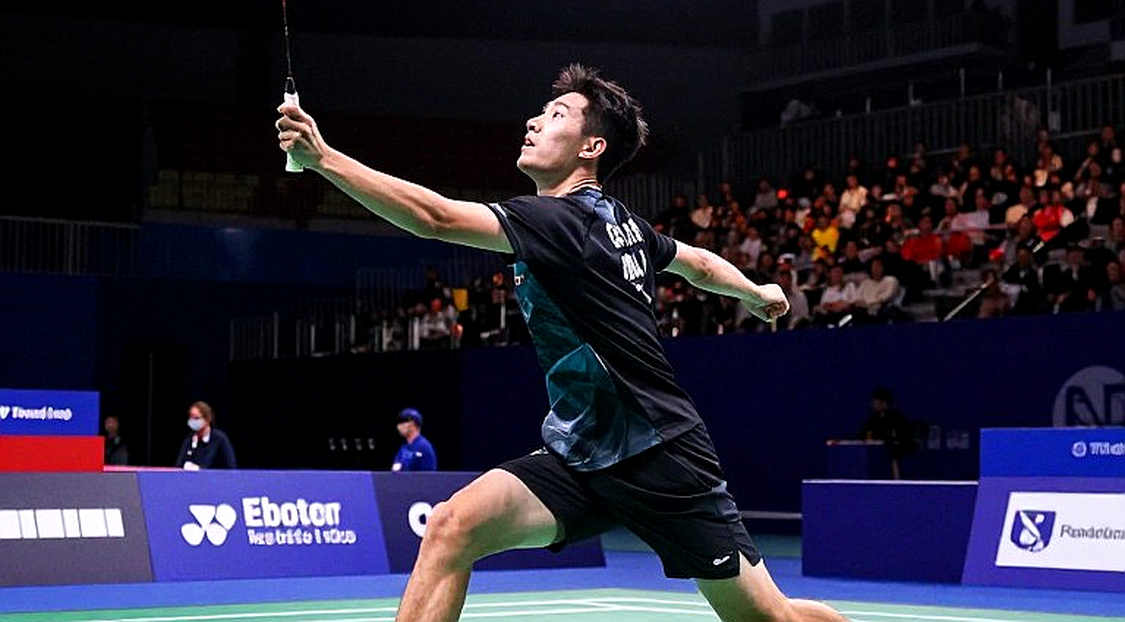
One more thing needs saying: if the Asian Games does not count toward Badminton World Federation ranking points — and by convention, continental multi-sport Games generally do not — then the algorithmic damage is close to zero. Their top-8 seeding for 2026-27 World Tour events is essentially unchanged. What was lost is reputation and psychology. That is a rule-mediated buffer, and I want to verify it against current ranking regulations before asserting it firmly.
And here is the most important point for Indian readers: the report names no other Indian men's doubles pair in the bracket. If that holds, the entire men's doubles medal hope of a major badminton nation rested on one pair, and that pair has just been eliminated. India's largest risk at this event is a portfolio holding a single asset. In the mixed doubles, a medal path remains alive, but Kapila and Crasto must face the world's No. 1 pair in the quarter-finals on 27 September. Within 48 hours, India's badminton medal expectation has narrowed sharply.
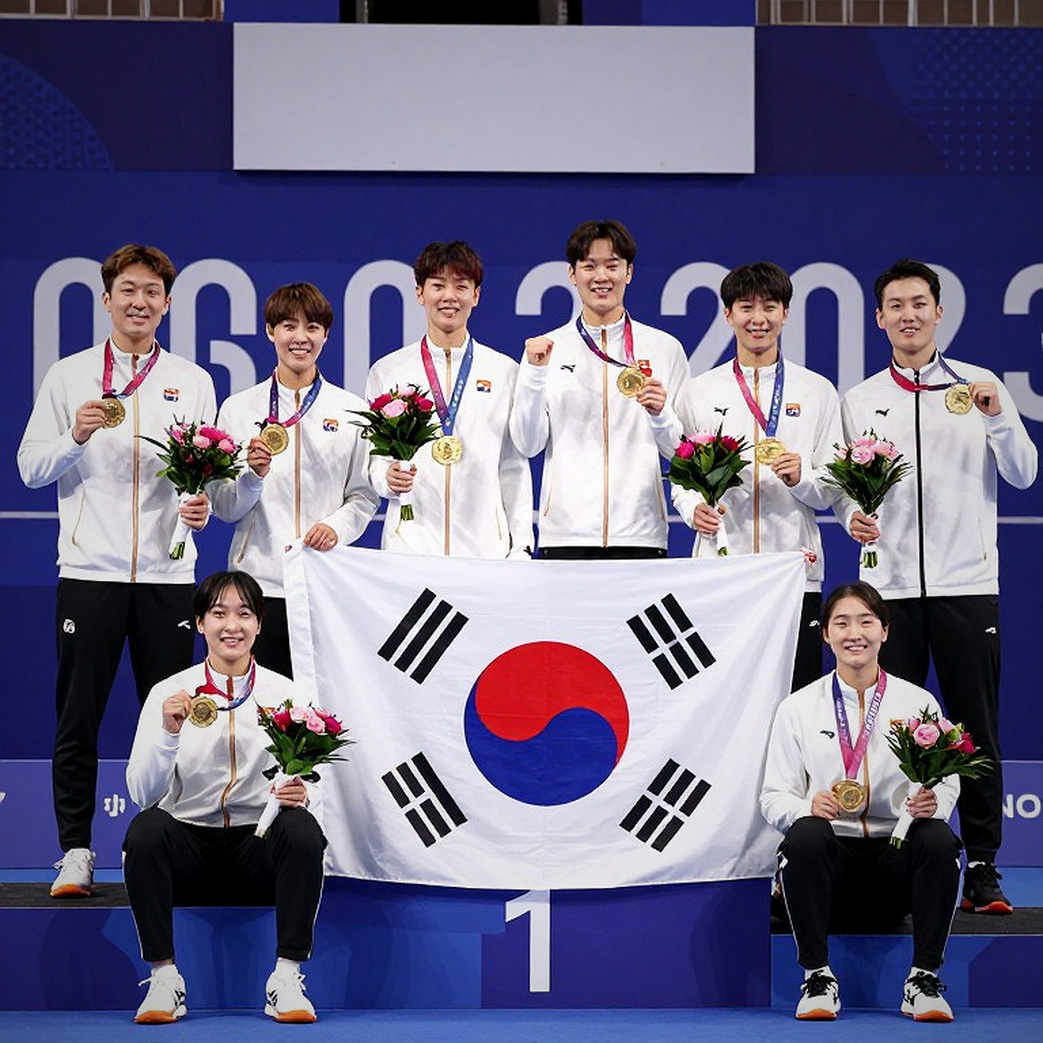
On Thailand, I add a watch-list flag. Toppling the defending champions in the opening round, even as the 36th-ranked pair, is the kind of result that tends to precede a ranking climb. If they are young, the No. 36 label may understate their true level, which would make the shock look larger than it was.
There is also a calendar variable. The late-September Asian Games window sits close to the usual slot of the World Championships, typically in August. If a major Badminton World Federation event fell immediately before or after, Asia's top pairs were carrying a compressed multi-peak calendar. I cannot verify the 2026 calendar from the source, so this stays a low-to-medium hypothesis. A faulty system will produce players who are the right people at the wrong time.
Narrative pressure also belongs in the ledger. After a big-stage defeat, the choker label can attach to a pair faster than most people expect. I do not use that word, because one match is not enough to attach a label. But I register that the media reaction intensity is currently running above the available data base.
I do not trust intuition; I trust the repetition of pressure on court. One match does not define a pair. What defines them is the signature of the third game, and whether it repeats across the next five events.
Three things I will track, stated clearly as a verification list: Rankireddy and Shetty's third-game win rate over the next five events; the men's doubles ranking release after the Asian Games, to confirm whether the event is ranking-counting; and the mixed doubles quarter-final result on 27 September, which will replace the Indian storyline with a different one inside a week.
Data does not lie; only the hasty reader fools himself. Across 68 minutes in Aichi-Nagoya, the data has spoken only half a sentence.